


On 23 and 24 May, over 800 central leaders from across the country gathered at the SGM Culture Centre to attend the 5th SGM Headquarters Leaders Conference. The meeting reviewed the organisation’s achievements during the first half of the year and highlighted the goals of the second half. On the second day, 100 representatives from various divisions and groups also joined the gathering.
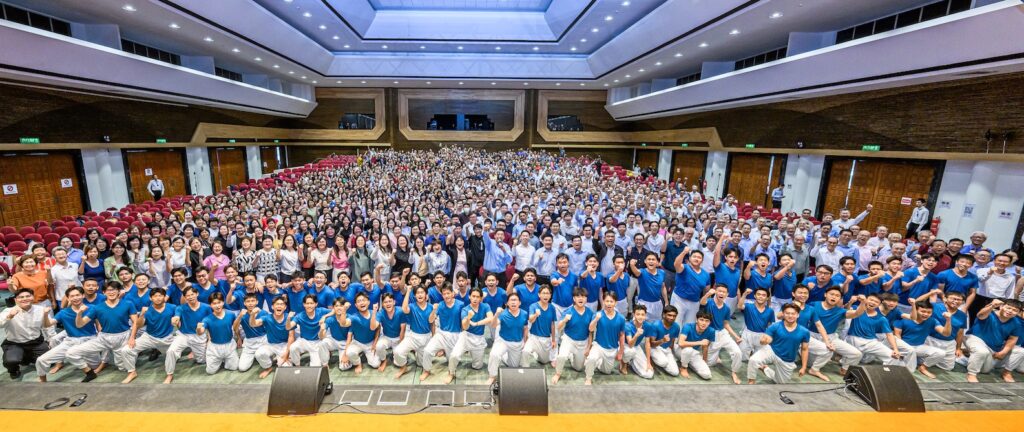
The appointment of new leaders was also announced, including Tan Jun Kong as the new SGM youth division leader, bringing fresh momentum to the organisation.
Under the theme “Ever Advancing and United Youth SGM,” the newly appointed SGM youth division leader Jun Kong, together with men’s division leader Looi Chee Choong, women’s division leader Chan Yin Kwan and young women’s division leader Koo Wei Qian, called on all to continue cultivating a culture of shakubuku, deepening grassroots dialogue, fostering successors and strengthening discussion meetings.
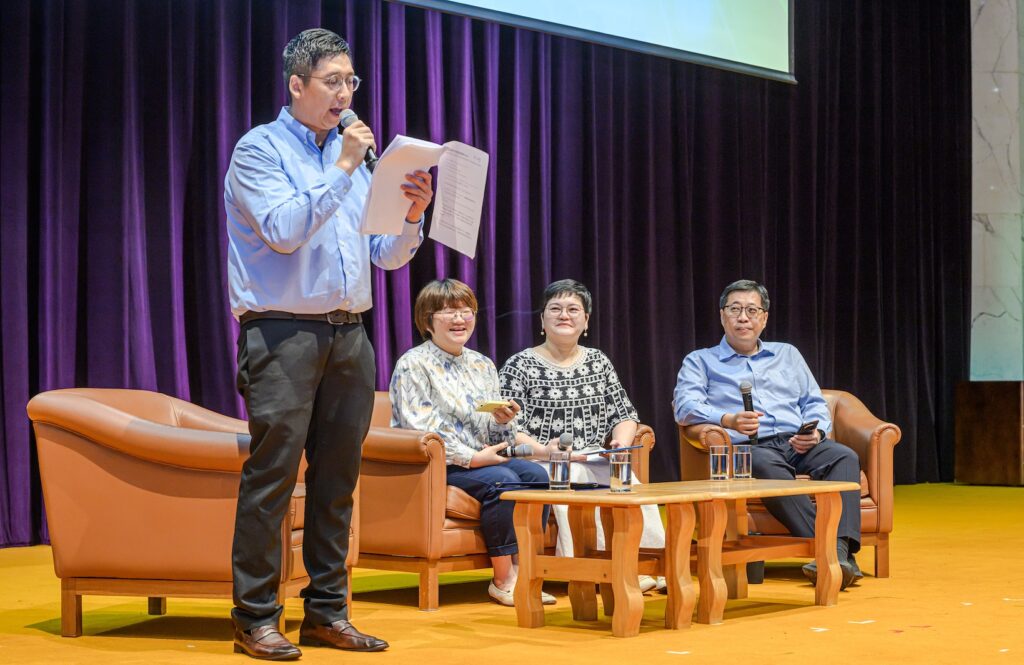
SGM president Johnny Ng, chief administrator Looi Chee Choong, assistant chief administrators Chan Yin Kwan and Chia Kok Peng presented reports on various organisational developments, including revisions to organisational guidelines, video production initiatives, publishing projects, financial contributions and progress on the Ikeda Memorial Park project.
The meeting also featured presentations by Tadika Seri Soka (TSS) principal Ho Lee Choo and Soka International School Malaysia (SISM) principal Dr Wendy Yee, who shared stories of their schools’ development and students’ growth.
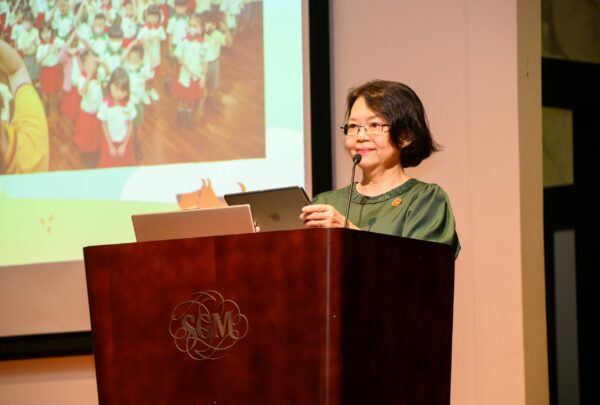 TSS principal Ho Lee Choo TSS principal Ho Lee Choo |
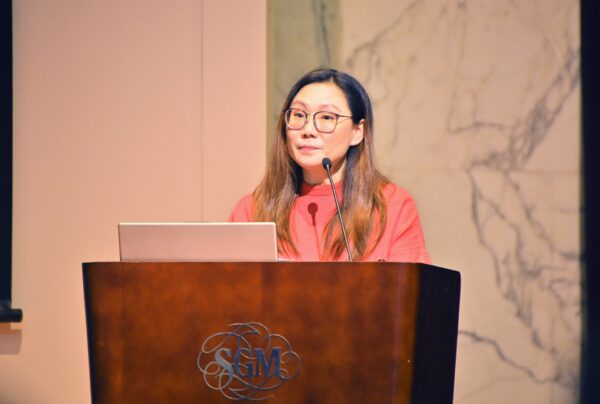 SISM principal Dr Wendy Yee SISM principal Dr Wendy Yee |
As this year marks the 25th anniversary of Wisma Kebudayaan SGM’s opening, External Affairs and Communication Department head Joanne Foo introduced the many activities organised through the centre, highlighting how it has earned the trust of society and become a significant driving force for kosen-rufu.
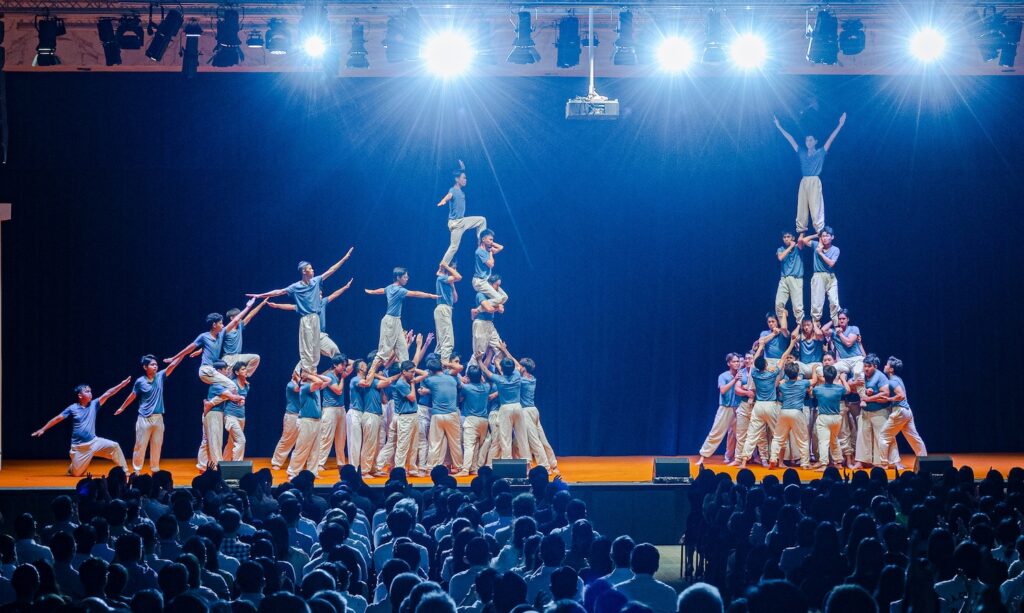
Other highlights of the meeting included reports on the SGI Spring Training Course, group discussion sessions, and performances by youth division members. The venue was filled with joyful exchanges and a spirit of determination and advancement.
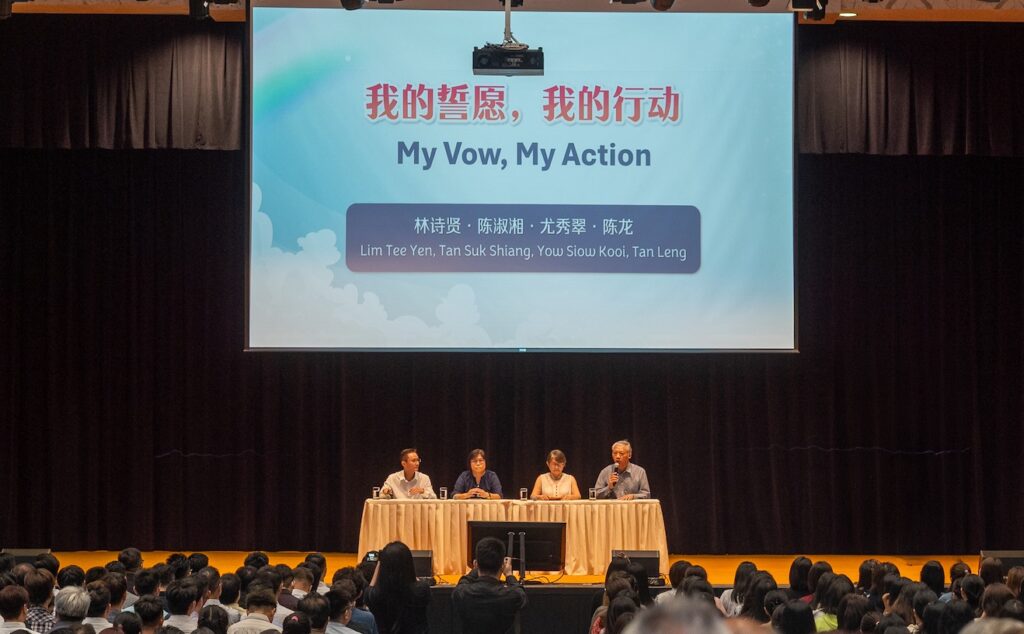
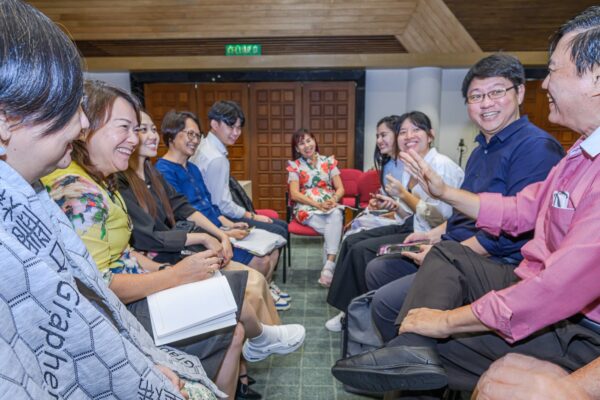 |
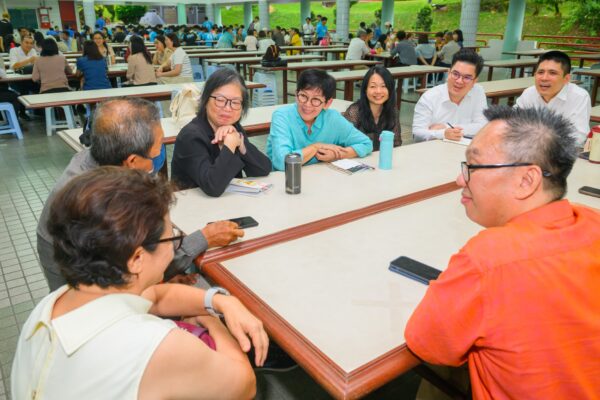 |
The meeting concluded with all participants raising their fists in a renewed pledge to achieve greater victories for kosen-rufu. United in purpose and action, SGM’s leaders embarked on a new journey to build an organisation that continues to advance with the youth at its forefront.
SGM General Director Expounds on Attaining Buddhahood in This Lifetime
On 24 May, SGM General Director Koh Sia Feai delivered a study lecture on the theme “Attaining Buddhahood in This Lifetime.” The session was also livestreamed, reaching over 3,100 participants nationwide.
Mr Koh emphasised that the fundamental purpose of embracing Nichiren Buddhism is to attain Buddhahood— not by becoming superhuman, but by revealing the Buddha nature inherent in all people amiddaily life and establishing a state of absolute happiness unshaken by suffering.
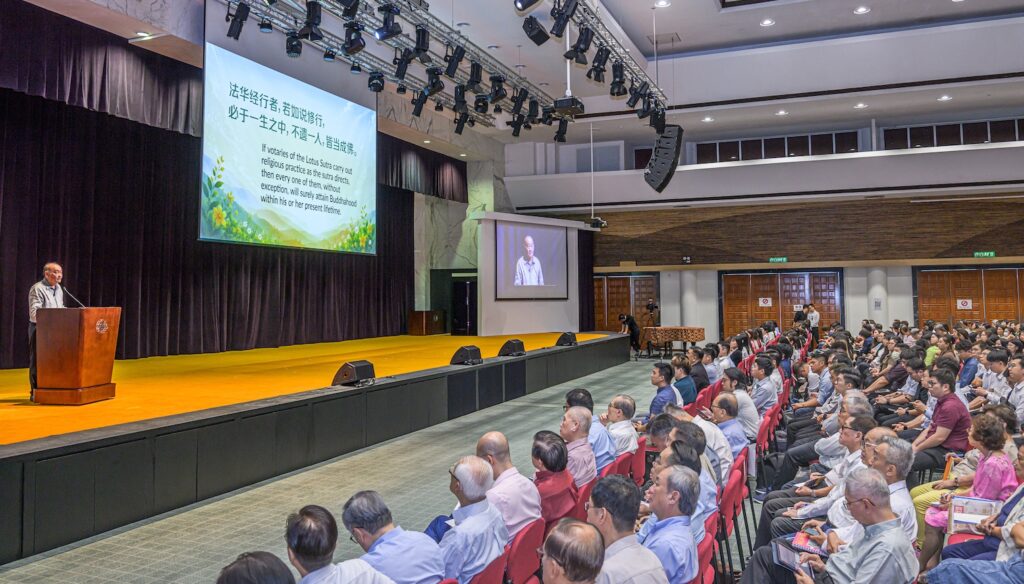
He added that only by ceaselessly chanting daimoku, while ceaselessly elevating our life condition through the great vow for kosen-rufu, can we truly achieve growth and transformation in life.
Study Academy Participants Reaffirm Mission: “I Am the Protagonist of the Buddha’s Prophecy!”
The 2nd SGM Study Academy was held on 23 May with leaders studying Nichiren Daishonin’s writing “On the Buddha’s Prophecy.”
The study focused on four key themes: “The Joy of Being Born in the Latter Day of the Law,” “The Buddha’s Prophecy – The Westward Transmission of Buddhism,” “The Serene Mind of the Buddha of the Latter Day of the Law” and “To Discard the Shallow and Seek the Profound Is the Way of a Person of Courage.”
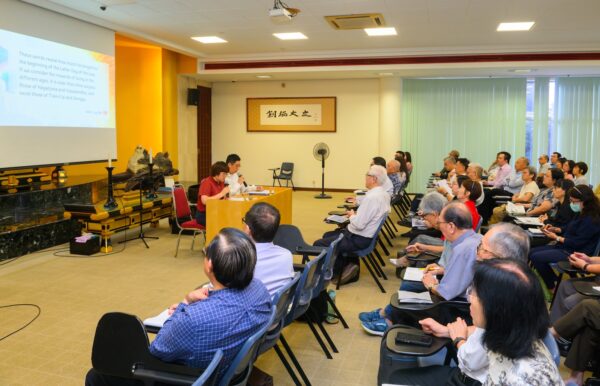 English session English session |
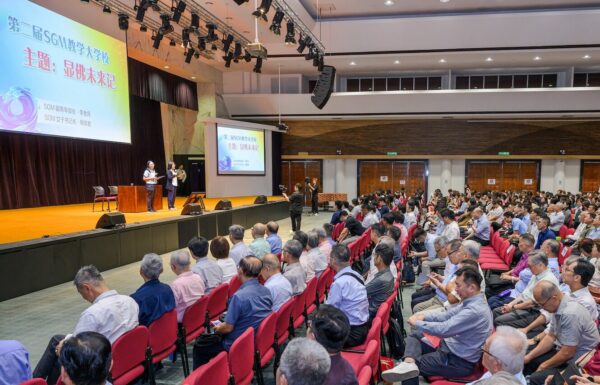 Chinese session Chinese session |
During the question-and-answer session, SGM study division leader Chia Kok Peng responded to questions on topics such as the use of AI in studying Buddhist teachings and whether shakubuku is altruistic or self-benefiting. He stressed that the purpose of studying Buddhist teachings is to deepen faith, advance kosen-rufu and establish a new humanistic philosophy.